A Call to Witness

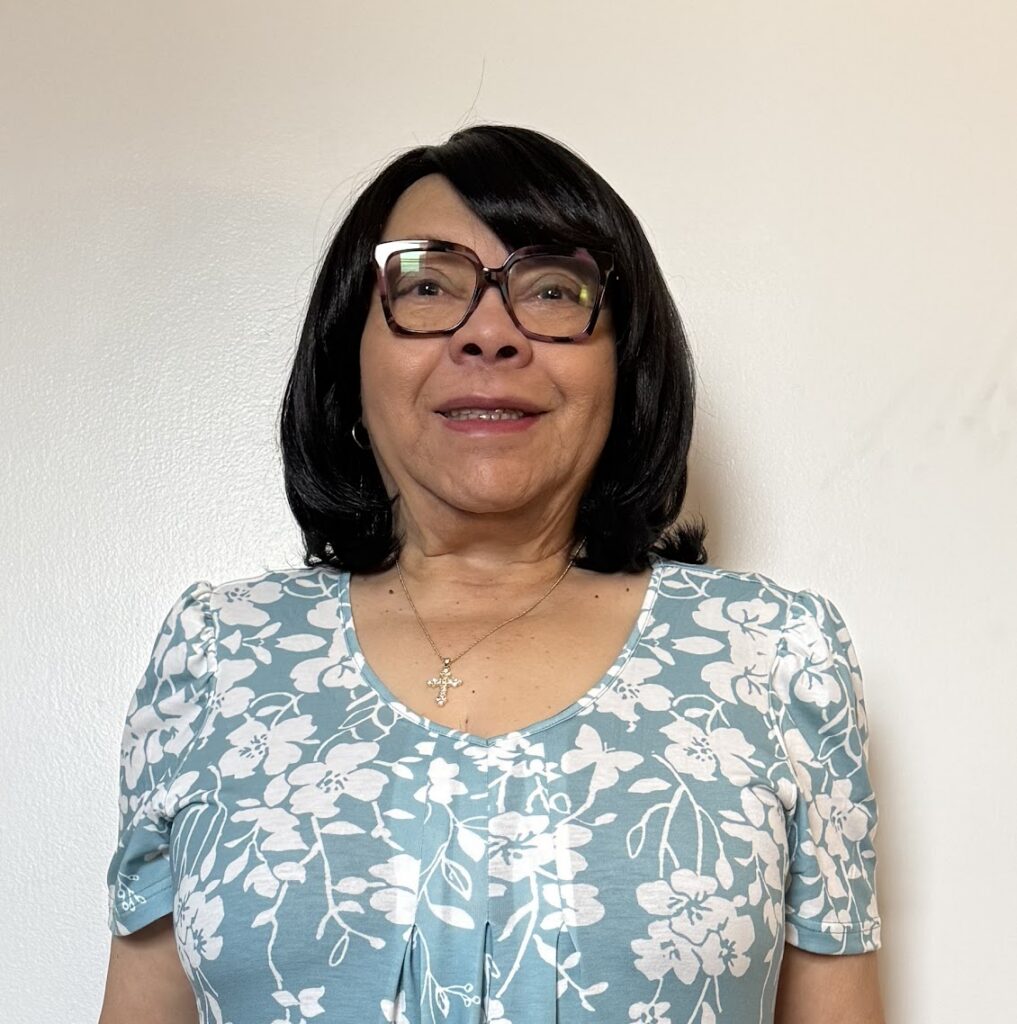
By Lorrie C. Reed, M.Div., Ph.D.
My call to witness did not arrive as a sudden command, but as a quiet, persistent pressure that built over time, until it became undeniable. It emerged from my own stark confrontation with something I could not unsee: an act of injustice, a pattern of harm, a truth that had been buried or denied. I first felt it as a deep internal disturbance, a fracture in my personal peace that refused to heal through my own simple inaction.
This summons was, for me, fundamentally a call “to” something—a vocation rooted in presence and purpose. It was a directive to turn toward the brokenness, to stand firm within the difficult reality, and to become an active participant in truth. I felt a profound obligation to the event, the facts, and the affected community. My sense of duty was tied to memory and relationship; to look away felt like a betrayal of what I had seen and a surrender to the lie of silence. The devastation I witnessed was not an end, but a terrible, necessary clearing that demanded my response. I was called to the disciplined work of illumination, a vocation of gathering evidence, holding up a mirror, and speaking with clarity. It was a calling defined by what I was drawn to affirm and defend.
I understand this stands in clear contrast to a call “out of” something, which is a call away from circumstance. That summons is oriented around release, an invitation to depart from a damaging environment, a stagnant situation, or a source of personal trauma for the sake of individual survival, healing, or growth. It is a call to find peace by creating distance, to heal away from the source of the pain, and to prepare for an unknown future on new ground. The vision turns toward a blank page and an open horizon.
For me, the difference lies in orientation and focus. A call “to” is anchored in commitment to something external: a truth, a place, a people. The decisive element felt spiritual and rooted, demanding my engagement with the very source of the disturbance. My internal debate was between loyalty and flight, and my choice to stay and speak became my act of solidarity and restoration.
So, I am a witness, one who received and answered this specific call “to.” My mind has become a crucible of cross-referenced facts, battling fear for the sake of accuracy. My heart carries a heavy weight of sorrow and risk, anchored by a stronger, stubborn sense of responsibility to the outside world. I am not necessarily braver than others; I had simply reached a point where the personal cost of looking away outweighed the profound tension of stepping forward. It is a vocation that chooses the difficult path of confrontation, driven by my conviction that to faithfully bear the truth is to plant the first, necessary seed for its remedy.